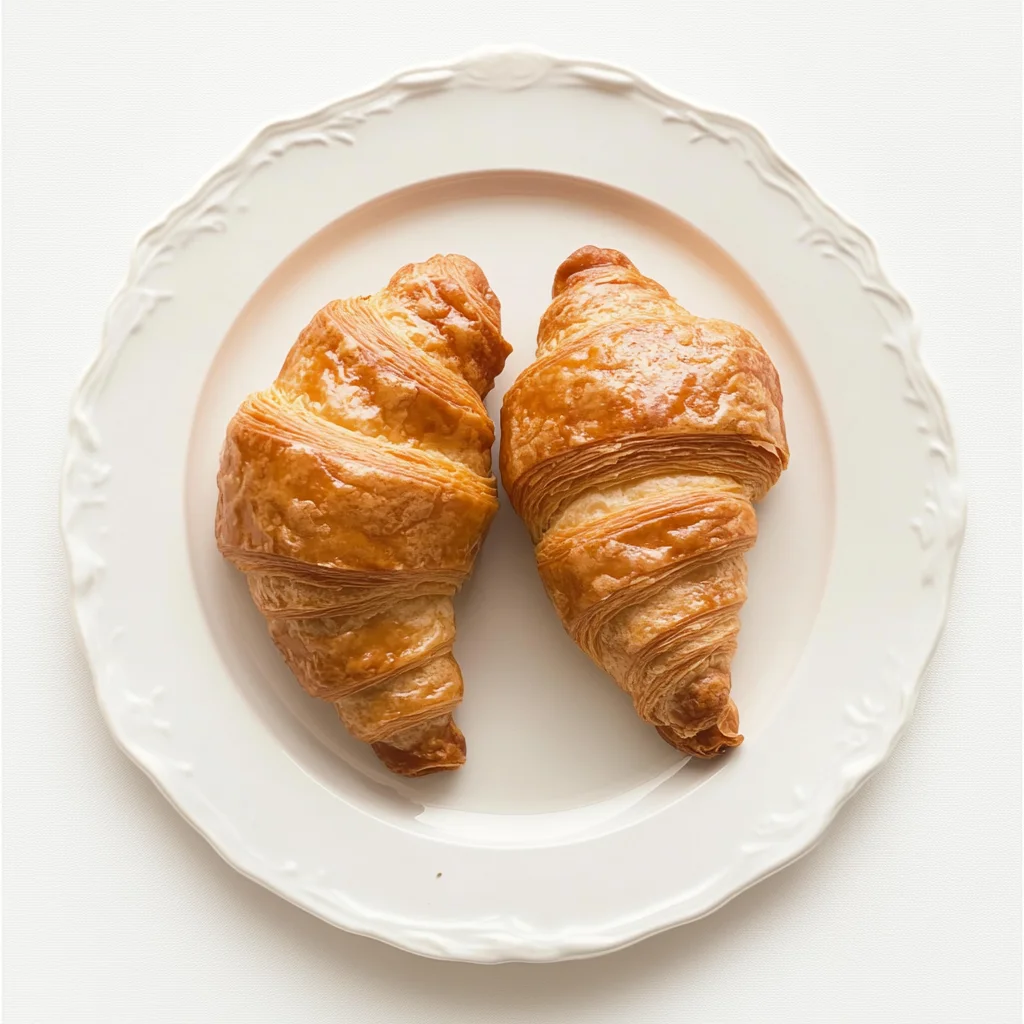
The aroma of freshly baked croissants, their golden-brown, flaky layers whispering promises of buttery delight – it’s a sensory experience that transcends mere breakfast. This recipe for classic French croissants with homemade pastry is a journey, a testament to patience and precision, culminating in a reward that far surpasses any store-bought alternative. Forget the bland, mass-produced versions; we’re diving deep into the heart of French pastry tradition, creating croissants that are light, airy, and bursting with the rich flavor of perfectly layered butter. This isn’t just a recipe; it’s an experience, a celebration of the art of baking, and a chance to create something truly special in your own kitchen. Get ready to embark on a culinary adventure that will leave you breathless with the sheer deliciousness of your homemade creations.
Why You’ll Love This Recipe
This recipe for classic French croissants with homemade pastry is more than just a collection of ingredients and instructions; it’s an invitation to master a timeless culinary technique. Imagine the pride of presenting your friends and family with perfectly golden, melt-in-your-mouth croissants, each bite a symphony of flaky layers and buttery richness. The satisfaction of creating something so delicious from scratch is unparalleled. Unlike store-bought versions, these croissants offer unparalleled control over ingredients, ensuring the highest quality and freshness. You’ll be able to appreciate the nuanced flavors of real butter, fresh flour, and a touch of sugar, creating a truly exceptional pastry experience. This recipe will empower you to create a breakfast (or any time!) treat that’s not only delicious but also a testament to your baking skills. You’ll be amazed by the transformation from simple dough to these exquisite pastries. Beyond the delicious end product, the process itself is incredibly rewarding. The methodical folding, lamination, and shaping are a meditative practice, perfect for a relaxing weekend project. Plus, the beautiful, glistening croissants are perfect for impressing guests or simply enjoying a special treat.
Why You Should Try This Recipe
There are countless reasons to try this recipe for classic French croissants with homemade pastry. First and foremost, it offers an unparalleled level of quality and flavor compared to store-bought versions. You’ll taste the difference immediately – the subtle sweetness, the delicate flakiness, the rich buttery aroma – all hallmarks of a truly exceptional croissant. Making your own croissants allows you to control the ingredients, ensuring that you’re using the highest quality butter and flour, free from artificial additives or preservatives. This recipe is also a fantastic opportunity to learn a new skill. The process of making croissants is intricate and rewarding, teaching you valuable techniques that can be applied to other pastry recipes. It’s a skill that will impress your friends and family, and the feeling of accomplishment will be immense. Furthermore, this recipe is surprisingly adaptable. Once you master the basic technique, you can experiment with different flavors, adding nuts, chocolate, or even fruit to create unique and exciting variations. So, whether you’re a seasoned baker or a complete beginner, this recipe is a worthwhile endeavor that promises delicious results and a rewarding experience. It’s a perfect blend of challenge and reward, leaving you with an unforgettable culinary accomplishment.
Ingredients and Necessary Utensils
- For the Dough:
- 500g strong bread flour (high protein content)
- 300ml lukewarm water
- 10g fine salt
- 20g fresh yeast (or 7g active dry yeast)
- 20g sugar
- For the Butter Block:
- 250g unsalted butter, very cold and firm
- For Egg Wash:
- 1 large egg
- 1 tablespoon water
- Optional:
- Coarse sea salt for sprinkling
Necessary Utensils:
- Large mixing bowl
- Plastic wrap
- Rolling pin
- Pastry scraper or bench knife
- Baking sheet
- Parchment paper
- Pastry brush
- Measuring cups and spoons
- Stand mixer (optional, but highly recommended)
- Several sheets of cling film
Detailed Recipe Steps
This recipe for classic French croissants with homemade pastry requires time and patience, but the results are well worth the effort.
Step 1: Preparing the Dough
In a large bowl, combine the lukewarm water, yeast, and sugar. Let stand for 5-10 minutes until the yeast is foamy. This indicates that the yeast is active and ready to work its magic. **This step is crucial for a successful rise.** Add the flour and salt to the yeast mixture. If using a stand mixer, use the dough hook attachment. Mix until a shaggy dough forms. Knead the dough for 8-10 minutes until it becomes smooth and elastic. If kneading by hand, use a floured surface. The dough should be slightly sticky but not overly wet. Form the dough into a ball. Place the dough in a lightly oiled bowl, cover it with plastic wrap and let it rise in a warm place for about 1-1.5 hours, or until doubled in size. This allows the yeast to work its magic and develops the necessary gluten structure for flaky layers.
Step 2: Preparing the Butter Block
Place the cold butter between two sheets of parchment paper and, using a rolling pin, pound it into a 15x15cm square. Ensure that the butter is evenly distributed and that it remains cold throughout this process. Keep the butter cold to prevent it from melting and interfering with the lamination process.
Step 3: First Lamination
On a lightly floured surface, roll out the risen dough into a large rectangle approximately 30x40cm. Place the cold butter block in the center of the dough. Fold the dough over the butter, completely enclosing it. Pinch the edges to seal. Using a rolling pin, gently roll the dough out into a larger rectangle, aiming for about 45x60cm. Fold the dough into thirds, like a letter. This is the first turn. Wrap tightly in cling film and refrigerate for at least 30 minutes.
Step 4: Second and Third Lamination
Repeat steps 3, rolling and folding the dough twice more, refrigerating for 30 minutes between each turn. This process of rolling and folding creates the hundreds of layers that give croissants their characteristic flakiness. **The colder the dough stays, the better the result will be.**
Step 5: Shaping the Croissants
Once the final lamination is complete, refrigerate the dough for another 30 minutes to firm up. Roll the dough into a large rectangle, about 2cm thick. Cut the dough into triangles, approximately 15cm wide at the base. Starting at the wide end, roll each triangle up tightly towards the point. Curve the croissant into a crescent shape and place it onto a baking sheet lined with parchment paper. Repeat until all the dough is used. Allow the croissants to proof, covered loosely with plastic wrap, for about 1-2 hours or until almost doubled in size. Proofing is as important as the lamination.
Step 6: Baking the Croissants
Preheat your oven to 200°C (400°F). Whisk together the egg and water for the egg wash. Brush the croissants generously with the egg wash. Sprinkle with coarse sea salt, if desired. Bake for 15-20 minutes, or until golden brown and puffed. The internal temperature should be around 95°C (203°F). **Baking time may vary depending on your oven.** Let the croissants cool slightly on a wire rack before serving.
Tips and Variations
For the best results, use high-quality ingredients. The cold butter is key to the flaky layers, so don’t skip the chilling steps! If your dough becomes too sticky, add a tablespoon of flour at a time until it’s manageable. Over-kneading the dough can make the croissants tough, so be gentle. Don’t overcrowd the baking sheet, as this can prevent the croissants from puffing properly. If you want to add some flavour, consider using vanilla extract or even cardamom in your dough.
Variations:
- Chocolate Croissants: Add chopped dark chocolate to the dough before shaping.
- Almond Croissants: Sprinkle sliced almonds on top before baking.
- Pain au Chocolat: Use a similar dough and shape to incorporate chocolate bars within the pastry.
Nutritional Values and Benefits
While croissants are undeniably indulgent, they also offer some nutritional benefits. The flour provides carbohydrates for energy, while the butter contributes to fat intake. However, it’s important to consume them in moderation as they are high in calories and saturated fat. The nutritional value will vary based on the specific ingredients and portion size. However, a general approximation per croissant (considering average ingredient amounts) would be approximately 300-400 calories, with a significant portion stemming from fat and carbohydrates. Precise values should be calculated using a nutrition calculator with the exact ingredients and quantities used. The use of high-quality ingredients, such as fresh butter and flour, helps to make the croissant a slightly more wholesome option when compared to mass-produced counterparts.
FAQ – Answers to Common Questions
Q: Can I use frozen butter? A: While you *can* use frozen butter, it’s best to use cold, but not frozen, butter. Frozen butter can be too hard to incorporate smoothly into the dough.
Q: My croissants didn’t puff up. What went wrong? A: Several factors can affect puffing, including insufficient chilling of the butter, not allowing for adequate proofing, oven temperature, or overcrowding the baking sheet. Review each step meticulously.
Q: Can I make this recipe ahead of time? A: You can prepare the dough ahead of time and freeze it before the final shaping and proofing. Thaw it completely overnight in the refrigerator before proceeding.
Q: What kind of flour should I use? A: Strong bread flour with a high protein content (12-14%) is essential for the structure and flakiness of the croissants.
Q: How long can I keep the baked croissants? A: Baked croissants are best enjoyed fresh. However, you can store them in an airtight container at room temperature for a day or two, or freeze them for longer storage. Reheat them gently in the oven before serving.
Conclusion
Creating classic French croissants with homemade pastry is a rewarding culinary adventure. While it requires time and patience, the result—flaky, buttery, and utterly delicious croissants—is well worth the effort. This recipe provides a detailed guide to help you achieve perfect results every time. Remember the key steps: ensuring the yeast is active, maintaining the coldness of the butter during lamination, and allowing ample time for proofing. Now, it’s your turn! Try this recipe and share your experience in the comments below. Don’t forget to share your beautiful creations on social media! For more delightful baking recipes, check out lorachef, a fantastic resource for home bakers of all skill levels. Bon appétit!
For more information about the history and techniques of French pastry, visit Wikipedia’s page on French pastry.
Classic French Croissants with Homemade Pastry
Equipment
- Mixing Bowls
- Stand Mixer or Hand Mixer
- Plastic Wrap
- Baking Sheet
- Pastry Brush
- Dough Scraper
Ingredients
Dough Ingredients
- 500 g All-purpose flour
- 300 ml Water Lukewarm
- 250 g Unsalted butter Cold, cubed
- 7 g Active dry yeast
- 10 g Sugar
- 5 g Salt
Egg Wash
- 1 Egg Lightly beaten
Instructions
Instructions
- In a large bowl, combine flour, yeast, sugar, and salt. Gradually add lukewarm water and mix until a shaggy dough forms.
- Knead the dough for 8-10 minutes until smooth and elastic. Add cold butter, a few cubes at a time, kneading until incorporated.
- Shape the dough into a rectangle, wrap in plastic wrap, and refrigerate for at least 2 hours, or preferably overnight.
- Roll out the chilled dough into a large rectangle. Fold it like a letter, then roll it out again and repeat the folding process several times. Refrigerate for 30 minutes after each fold.
- Roll out the dough to about 1/2 inch thickness and cut into triangles. Roll up each triangle starting from the wide end.
- Place croissants on a baking sheet lined with parchment paper. Let them proof for another 30-60 minutes in a warm place until puffy.
- Brush with egg wash and bake at 375°F (190°C) for 18-20 minutes, or until golden brown.
- Let cool slightly before serving.